
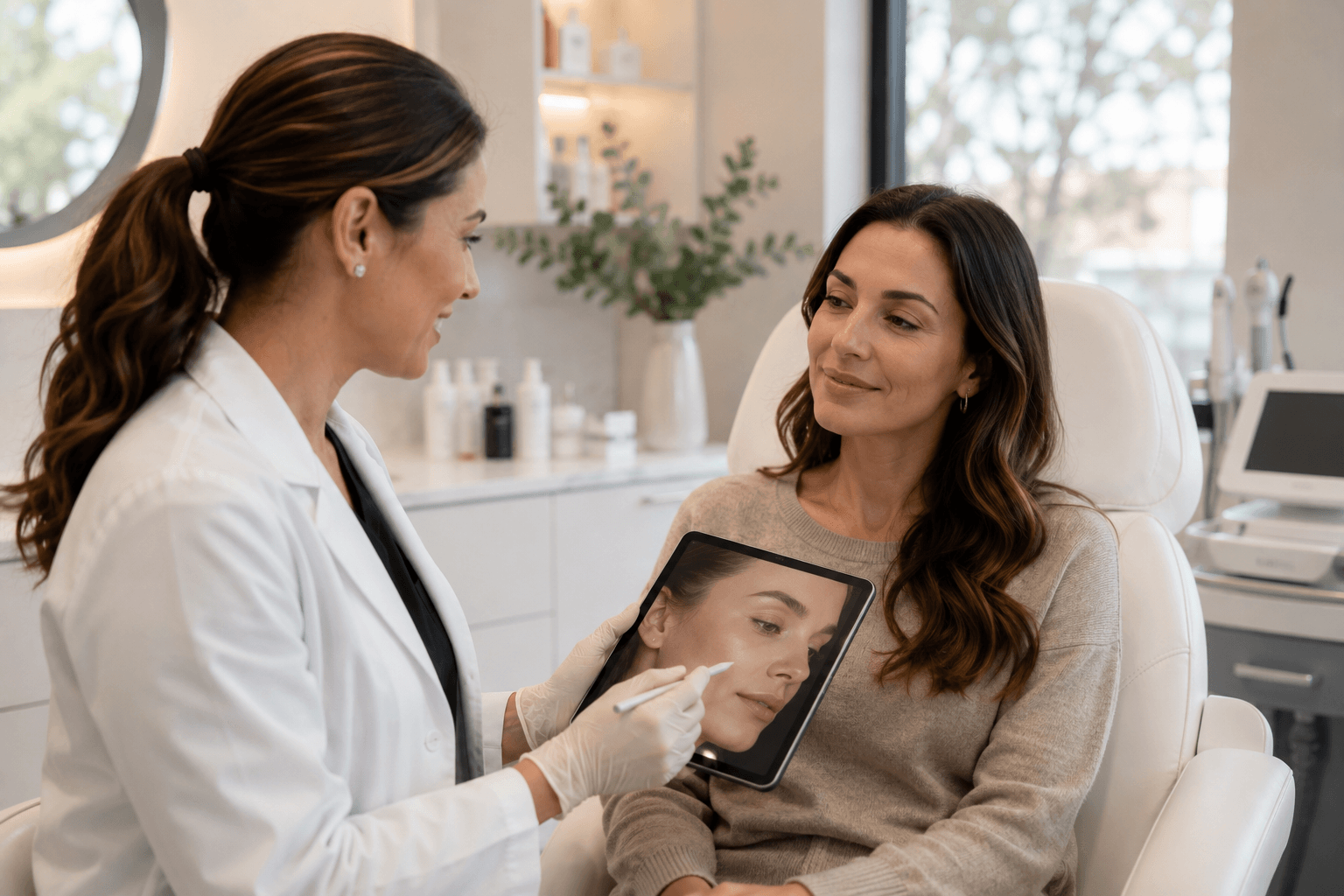
The term medical aesthetics gets used a lot, but it means something specific. It refers to cosmetic treatments that are grounded in medical training, clinical protocols, and evidence based technique, rather than treatments you would find at a typical spa or salon. If you are trying to figure out whether the practice you are considering falls into this category, or what to expect from a medical aesthetics visit in Los Gatos, this guide walks through it in plain terms.
What Does Medical Aesthetics Actually Mean?
Medical aesthetics sits at the intersection of dermatology, cosmetic medicine, and skincare science. Instead of surface level pampering, it focuses on treatments that produce measurable changes in the skin, whether that is smoothing expression lines, restoring lost volume, improving texture, or correcting tone.
Practices in this space are typically staffed by trained providers who understand facial anatomy, skin biology, and how different treatments interact. That clinical foundation is what separates medical aesthetics from a basic spa facial.
Why the Distinction Matters
Choosing a provider without proper medical training can lead to inconsistent or even unsafe results, especially with injectable treatments. Understanding that medical aesthetics is a clinical discipline, not just a beauty trend, helps set realistic expectations and points you toward the right kind of practice.
What Treatments Fall Under Medical Aesthetics?
At Re-Glo, our approach to medical aesthetics covers several categories, each addressing a different layer of facial aging or skin concern.
Neurotoxins for Dynamic Wrinkles
Lines caused by repeated muscle movement, like frown lines or crow's feet, respond well to neurotoxin treatments. Our wrinkle reduction page covers how this works and what results typically look like.
Dermal Fillers for Structural Support
Facial volume naturally declines with age. Fillers rebuild that support in areas like the cheeks and jawline, which our volume and definition page explains in more detail.
Collagen Stimulating Facials
Our ToSKANI MED mesoneedling treatment is designed to trigger the skin's own collagen production, improving firmness and texture over a series of sessions. You can read more about the science behind it in our blog post on how ToSKANI MED mesoneedling works for collagen stimulation.
Laser Based Skin Treatments
Devices like Aerolase Era and Aerolase Neo are used to target pigmentation, redness, and overall skin quality with minimal downtime.
How Is Medical Aesthetics Different From Neurotoxins or Fillers Alone?
A common misconception is that medical aesthetics is just injectables. In reality, most practices combine multiple treatment types to achieve a balanced result. For example, someone might pair a neurotoxin with a filler to address both movement based lines and volume loss at the same time. We break this comparison down further in our post on neurotoxin injections vs fillers for facial balancing.
What Should You Expect From a Medical Aesthetics Consultation?
A proper consultation should never feel rushed. At Re-Glo, this typically includes:
- A review of your skin history and current concerns
- A conversation about your goals, whether subtle or more noticeable
- A tailored plan that might combine two or more treatment types
- Clear expectations around timeline, downtime, and cost
If you want to explore which concerns apply to you, our concerns page is a good starting point, and you can always reach out through our contact page directly.
Is Medical Aesthetics Right for Every Age?
Not necessarily in the same way. Someone in their late twenties or thirties might focus on prevention and skin quality, while someone in their forties or fifties might be more focused on volume restoration and deeper lines. A good provider will adjust the plan to where your skin actually is, not push a one size fits all protocol.
Frequently Asked Questions
Is medical aesthetics only for older patients? No. Many patients start earlier with preventive treatments focused on skin quality and texture, rather than waiting until deeper lines or volume loss appear.
Does medical aesthetics include skincare products, or just procedures? Both. Most medical aesthetics practices, including Re-Glo, pair in office treatments with a skincare routine that supports and extends results.
How long do medical aesthetics results typically last? It depends on the treatment. Neurotoxins generally last three to four months, fillers can last six months to over a year, and collagen stimulating treatments build results gradually with maintenance sessions.
Can medical aesthetics treatments be combined in one visit? Often, yes. Many patients combine a neurotoxin with a filler or a laser treatment in the same visit, depending on their goals and provider recommendations.
Beauty, Backed by Science
Medical aesthetics is really about applying clinical knowledge to cosmetic goals, so the results are consistent, safe, and tailored to your face specifically. This page was updated in July 2026 with our current treatment offerings. If you are ready to explore what a personalized plan could look like, contact us to set up a consultation.