
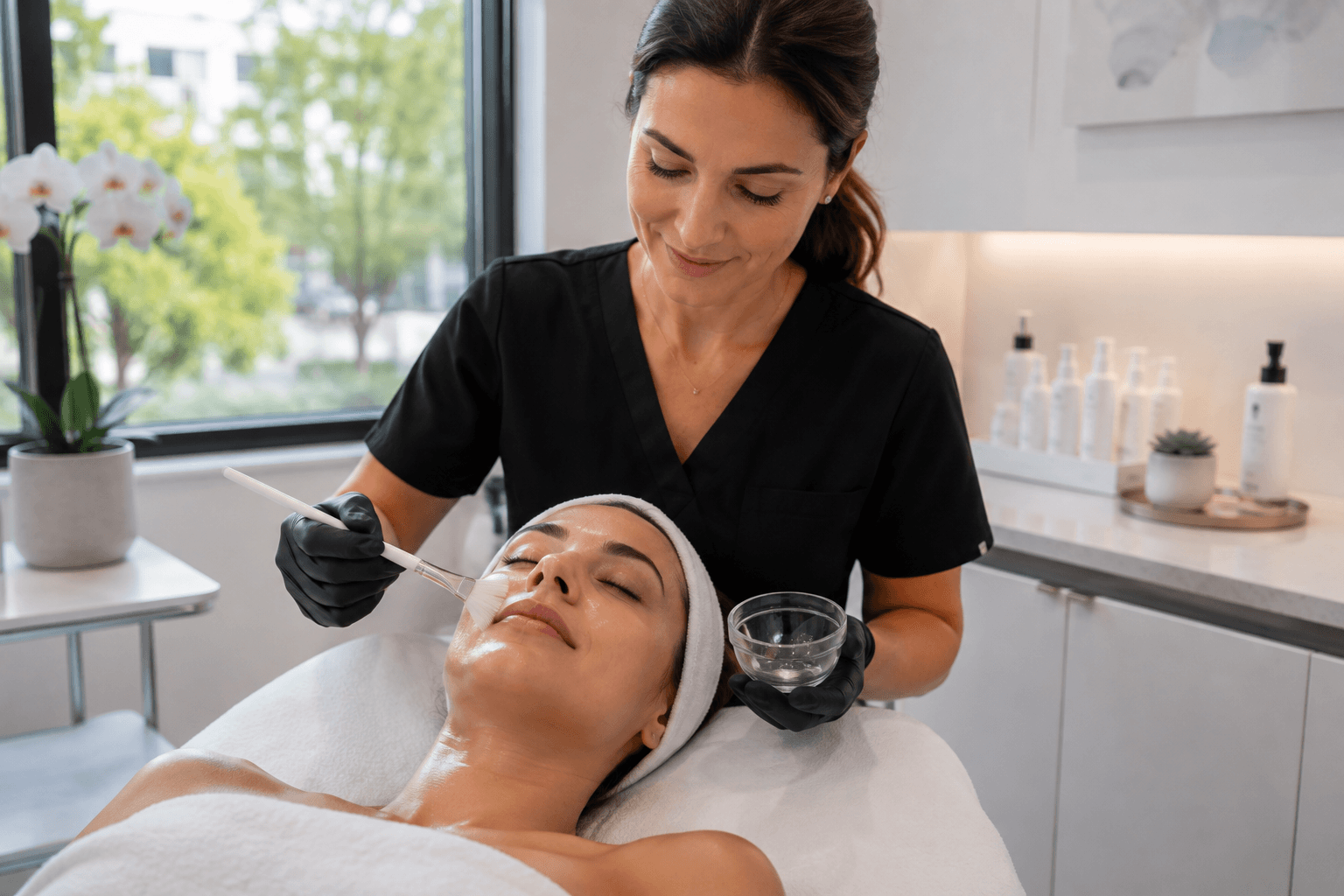
Sun exposure catches up with everyone eventually, and for a lot of Los Gatos residents, that shows up as uneven pigmentation, melasma, or a dull, rough texture that regular skincare products just cannot fully resolve. A derma peel is one of the more accessible ways to address these concerns, resurfacing the top layers of skin to reveal a smoother, more even complexion underneath.
This guide covers how derma peels work, what they can realistically improve, and how they fit alongside other treatments for long term skin health.
What Is a Derma Peel?
A derma peel uses a chemical solution to exfoliate the outer layers of skin, encouraging new, healthier skin to take its place. Depending on the strength of the peel, this can range from a light refresh with almost no downtime to a deeper treatment that addresses more stubborn pigmentation and texture issues.
Peels are particularly effective for concerns like sun damage, melasma, and uneven tone, which is why they are often discussed alongside seasonal skin care planning. Our blog post on perfect peels for sun damage and melasma goes into more detail on how this process works and what results tend to look like.
What Can a Derma Peel Actually Treat?
Sun Damage and Dark Spots
Years of sun exposure can lead to dark patches, uneven tone, and a rough texture. A derma peel helps lift these surface layers, gradually fading discoloration over a series of treatments.
Melasma
Melasma, the patchy brown or gray discoloration often triggered by hormones and sun exposure, can be particularly stubborn. Peels are often used as part of a broader plan that also includes strict sun protection, which we cover in our post on why sun protection matters.
Texture and Dullness
Beyond pigmentation, peels can also improve overall texture, smoothing rough patches and giving the skin a more even, refreshed appearance.
How Does a Derma Peel Compare to Other Skin Resurfacing Options?
A derma peel is one tool among several for improving skin quality. For patients looking for a more gradual, collagen focused approach, our ToSKANI MED mesoneedling treatment works differently, stimulating the skin's own repair process rather than resurfacing the top layer directly. Some patients benefit from combining approaches over time, depending on their specific goals and skin type.
For general skin concerns beyond pigmentation, our concerns page outlines the full range of issues we help address, including common conditions covered in our guide to understanding common skin conditions.
What Does Recovery From a Derma Peel Look Like?
This depends on the depth of the peel. Lighter peels often involve mild redness and light flaking for a few days, while deeper peels require more downtime and sun avoidance during healing. Regardless of depth, diligent sun protection afterward is essential, since freshly treated skin is more vulnerable to further pigmentation.
Is a Derma Peel Right for Every Skin Type?
Not automatically. Skin tone, sensitivity, and the specific type of pigmentation all factor into whether a peel is the right choice, and at what strength. This is exactly why a proper consultation matters before starting any peel protocol. If you are unsure whether your skin concern is better suited to a peel or another treatment, our contact page is the best place to start that conversation.
Frequently Asked Questions
How many derma peel sessions are usually needed to see results? This varies by concern and peel strength, but most patients see gradual improvement over a series of sessions rather than a single treatment.
Can a derma peel help with melasma completely? Peels can significantly improve the appearance of melasma, but because melasma is often triggered by hormones and sun exposure, ongoing sun protection and maintenance are usually necessary to keep results stable.
Is there downtime after a derma peel? Light peels typically involve minimal downtime, while deeper peels may require several days of redness or flaking before skin fully settles.
Can a derma peel be combined with other treatments? Often, yes, though timing matters. Your provider can advise on how to sequence a peel alongside other treatments like mesoneedling or laser therapy.
Fresh Skin, No Filter Needed
A derma peel can be a genuinely effective way to address sun damage, melasma, and uneven texture, especially when paired with consistent sun protection. This page was updated in July 2026 with current guidance on peel treatments. If you are curious whether a peel fits your skin's needs, get in touch and we can talk through the right approach.