
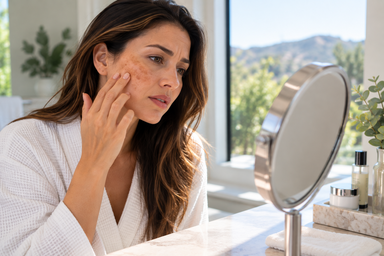
Dark spots, patchy discoloration, and stubborn melasma tend to show up gradually, often catching people off guard when they finally notice how much their tone has changed compared to a few years ago. Unlike a wrinkle or a scar, pigmentation concerns can feel especially frustrating because they seem to appear and worsen almost on their own, tied to sun exposure, hormones, or both. If you've been searching for skin pigmentation treatment, understanding what's actually causing the discoloration is the first step toward fixing it.
At Re-Glo Aesthetics in Los Gatos, California, pigmentation concerns are addressed primarily through the Aerolase Neo, a laser platform designed to treat melasma and hyperpigmentation safely across a wide range of skin tones. This guide walks through the common causes of pigmentation issues, when to seek treatment, and what to expect from the process.
What Counts as a Skin Pigmentation Concern?
Skin pigmentation issues cover a range of discoloration patterns, and knowing which one you're dealing with matters because treatment approaches differ.
Sunspots and Age Spots
Also called solar lentigines, these flat, brown spots develop from cumulative UV exposure over years, typically appearing on the face, hands, and chest.
Melasma
Melasma causes larger, symmetrical patches of brown or grayish discoloration, most commonly on the cheeks, forehead, and upper lip. It's closely linked to hormonal fluctuations and tends to worsen with sun exposure.
Post-Inflammatory Hyperpigmentation
This develops after skin inflammation from acne, injury, or certain treatments, leaving behind darkened patches that can take months to fade without intervention.
Uneven Overall Skin Tone
Rather than distinct spots, some people experience a more general unevenness across the complexion, often a combination of subtle sun damage and slower cell turnover.
What Causes Skin Pigmentation Issues?
Sun Exposure
Ultraviolet light triggers melanocytes, the cells responsible for pigment production, to produce more melanin as a protective response. Repeated, unprotected sun exposure over time leads to the visible sunspots and uneven tone many people develop with age. Given the sunny climate typical of Los Gatos for much of the year, this is a particularly relevant factor for local residents.
Hormonal Changes
Melasma in particular is closely tied to hormonal shifts, including pregnancy, birth control use, and hormone replacement therapy. This is why melasma is sometimes referred to as the "mask of pregnancy," though it can affect anyone with the right hormonal and genetic predisposition.
Inflammation and Skin Trauma
Any process that inflames the skin, acne, injury, certain aggressive treatments, or even harsh skincare products, can trigger excess melanin production as part of the healing response, resulting in post-inflammatory hyperpigmentation.
Genetics
Family history plays a meaningful role in how prone someone is to developing pigmentation issues, as does natural skin tone, with medium to deeper skin tones generally more prone to post-inflammatory hyperpigmentation.
When Should You Seek Professional Treatment?
Mild, sun-related pigmentation sometimes responds to consistent use of sunscreen and topical brighteners over several months. However, melasma and more stubborn hyperpigmentation typically require professional intervention to see meaningful, lasting improvement. If discoloration has persisted for more than a few months despite diligent sun protection, or if it's spreading or darkening, that's a reasonable point to schedule a consultation.
How Does Aerolase Neo Treat Pigmentation?
The Aerolase Neo uses laser technology with a 650-microsecond pulse designed to target pigment while minimizing impact on surrounding tissue. This matters significantly for pigmentation treatment because older laser technologies carried a higher risk of triggering additional hyperpigmentation, particularly in medium to deeper skin tones. The Aerolase Neo was specifically designed to treat a wide range of skin tones, including Fitzpatrick types IV through VI, more safely.
Sessions are generally quick, and most clients experience little to no downtime, making it a practical option for people who want visible improvement without disrupting their schedule.
What Other Treatments Address Pigmentation at Re-Glo?
Aerolase Era
In addition to the Neo, the Aerolase Era can also address brown patches and pigmentation, including melasma, particularly when combined with resurfacing goals for texture as well as tone.
Chemical Peels
The Perfect Derma Peel and VI Peel, available through facial rejuvenation services, use controlled exfoliation to help fade surface pigmentation and even out tone. Our earlier article on perfect peels for sun damage and melasma covers this option in more depth if you're comparing approaches.
Who Is a Good Candidate for Pigmentation Treatment?
Good candidates generally:
- Have visible sunspots, melasma, or post-inflammatory discoloration that hasn't improved with topical products alone
- Are committed to consistent sun protection, since unprotected UV exposure can undo treatment progress
- Understand that melasma in particular can be more stubborn and may require maintenance treatments over time
- Are not currently pregnant, since some pigmentation treatments are not recommended during pregnancy due to melasma's hormonal drivers
A consultation will help your provider determine the type of pigmentation you're dealing with and the treatment approach most likely to help.
What Does the Treatment Process Look Like?
After a consultation to assess your specific pigmentation type and skin tone, your provider will recommend a treatment plan, which may involve a single technology or a combination of approaches. Sessions with the Aerolase Neo are typically comfortable, often described as far less uncomfortable than older laser systems, and most clients return to normal activities immediately afterward.
Why Does Melasma Sometimes Come Back After Treatment?
This is one of the more common frustrations with melasma specifically. Because melasma is driven heavily by hormones and sun exposure, it can be more prone to recurrence than sun-related pigmentation alone, even after successful treatment. This isn't a sign that treatment failed. It's simply the nature of melasma, and it's why ongoing sun protection and, in some cases, periodic maintenance sessions are typically part of a long-term management plan.
Local Sun Protection Matters More Than You Think
Given how many sunny days Los Gatos sees throughout the year, daily broad-spectrum sunscreen isn't optional if you're serious about treating or preventing pigmentation. Your provider will likely recommend specific skincare additions to support your treatment results and reduce the likelihood of new discoloration developing.
Why Choose Re-Glo Aesthetics for Skin Pigmentation Treatment?
Re-Glo Aesthetics takes an individualized approach to pigmentation, recognizing that not all discoloration is the same and that treatment needs to be tailored to skin tone, pigmentation type, and underlying cause. Your provider will build a realistic plan aimed at visible, natural-looking improvement.
Ready to Even Out Your Skin Tone?
Contact Re-Glo Aesthetics to schedule a consultation and discuss the right pigmentation treatment for your skin.
Fading the Spotlight on Dark Spots
Pigmentation issues can feel stubborn, but they're rarely permanent when addressed with the right treatment and a little patience. Whether it's sunspots that crept up over the years or melasma that showed up uninvited, there's a path toward a more even, brighter complexion, and it starts with understanding what's actually causing the discoloration in the first place.
Updated August 2026.
Frequently Asked Questions
What is the most effective treatment for melasma? Melasma often responds well to laser treatments like the Aerolase Neo combined with diligent sun protection, though because it's hormonally driven, a maintenance plan is typically needed for long-term results.
Is laser treatment for pigmentation safe for darker skin tones? The Aerolase Neo was specifically designed to treat a wide range of skin tones safely, including Fitzpatrick types IV through VI, with a reduced risk of triggering additional hyperpigmentation.
How long does it take to see results from pigmentation treatment? Many clients notice improvement within a few sessions, though full results typically build over several weeks to months depending on the type and severity of pigmentation.
Can pigmentation come back after treatment? Sun-related pigmentation can return without consistent sun protection, and melasma in particular is prone to recurrence due to its hormonal drivers, which is why ongoing maintenance is often recommended.
Does treating skin pigmentation hurt? Most clients describe treatments like the Aerolase Neo as comfortable, with little to no downtime required afterward.