
If your skin has started to feel rougher than it used to, or you've noticed that foundation doesn't sit quite as smoothly as it once did, you're not imagining it. Skin texture changes gradually, and by the time most people notice it, sun exposure, natural aging, and years of environmental stress have already left their mark on the surface layers of the skin. This is where skin resurfacing comes into the conversation, not as a buzzword, but as one of the more effective ways to address texture, tone, and clarity without surgery.
At Re-Glo Aesthetics in Los Gatos, California, skin resurfacing is approached the same way every treatment is approached here: with a focus on natural-looking results and a plan that fits your skin, not a generic protocol. Below, we'll walk through what skin resurfacing actually does, who tends to benefit most, and what the process looks like from consultation to recovery.
What Does Skin Resurfacing Actually Mean?
Skin resurfacing refers to treatments designed to remove or restructure the outermost layers of skin, encouraging the body to generate fresh, healthier tissue in its place. Rather than masking texture concerns with products, resurfacing treatments work beneath the surface to prompt collagen remodeling, which is the skin's natural repair process.
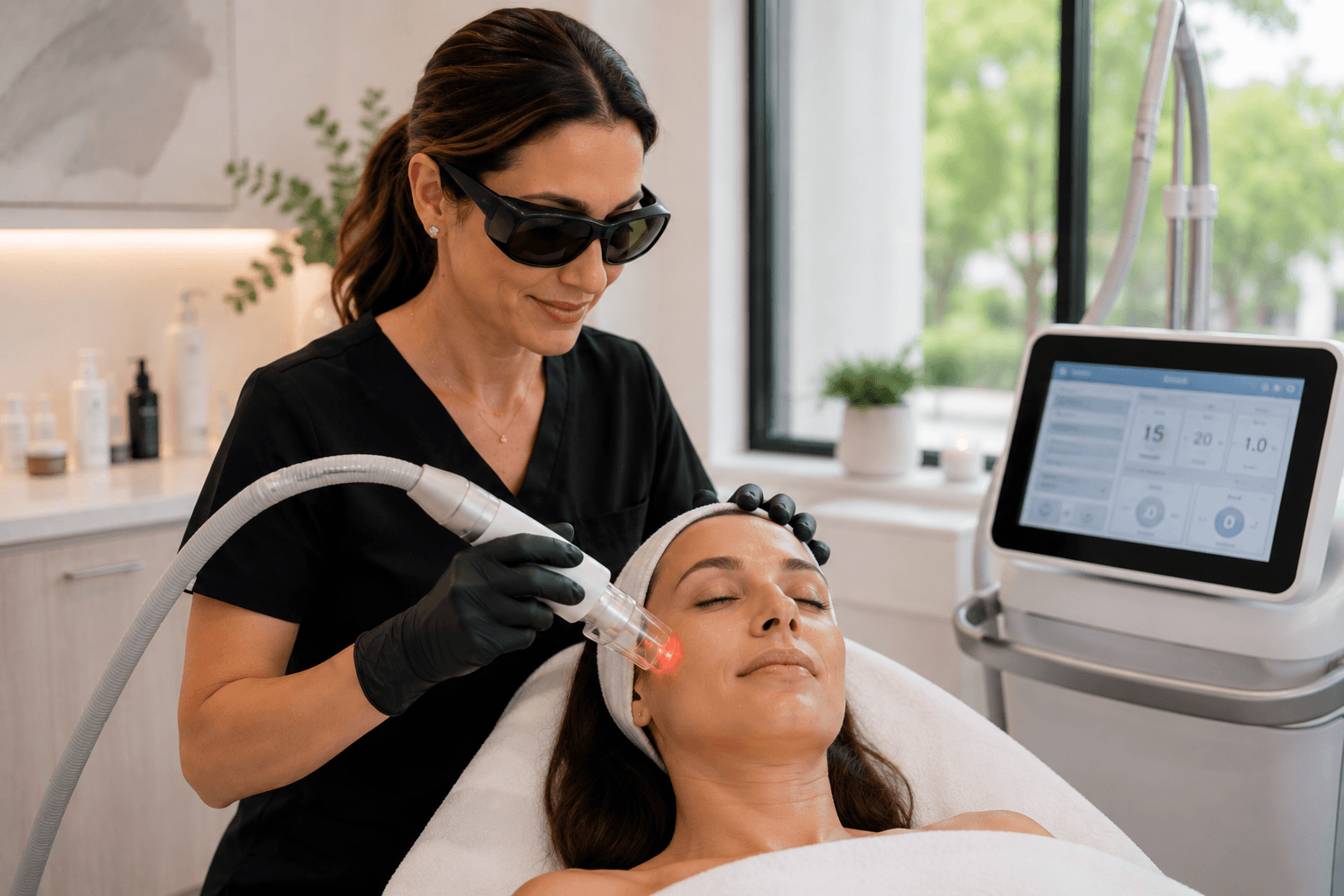
Modern resurfacing has moved well past the aggressive, weeks-of-downtime procedures many people picture. Laser-based resurfacing, like the Aerolase Era available at Re-Glo, uses a 2940 nm Er:YAG laser with a short pulse duration to target damaged tissue precisely while sparing the surrounding skin. That precision is a big part of why recovery times have shortened so dramatically compared to older resurfacing methods.
What Skin Concerns Does Resurfacing Address?
People typically start researching skin resurfacing after noticing one or more of the following:
Rough or Uneven Skin Texture
Years of sun exposure, dead skin buildup, and slower cell turnover as we age can leave skin feeling bumpy or looking dull under makeup. Resurfacing helps smooth this by clearing away compromised surface tissue.
Enlarged Pores
Pores can appear larger due to excess oil production, sun damage, or a loss of skin elasticity around the follicle. Resurfacing tightens the surrounding tissue, which often makes pores appear visibly smaller.
Fine Lines and Early Wrinkles
Superficial and medium-depth resurfacing sessions are frequently used to soften fine lines, particularly around the mouth and eyes, by stimulating collagen production in the treated area.
Sun Damage and Dullness
Years of UV exposure show up as dullness, rough patches, and uneven pigment. Resurfacing accelerates the turnover of this damaged tissue, which can visibly brighten the complexion over the following weeks.
Acne Scarring and Old Scar Tissue
Textural acne scars respond well to resurfacing because the laser encourages new collagen to fill in depressed areas over time. This is one of the more requested uses of resurfacing among adult patients.
What Causes These Skin Concerns in the First Place?
Understanding the "why" helps explain why resurfacing works. Skin texture and tone are largely governed by collagen density, cell turnover rate, and cumulative UV exposure. Collagen production naturally declines after the mid-twenties, slowing by roughly one percent each year according to widely cited dermatology research. At the same time, unprotected sun exposure breaks down existing collagen and elastin faster than the body can replace it, which is why sun-exposed areas like the face, chest, and hands often show texture changes before other parts of the body.
Genetics, hormonal shifts, and skincare habits also play a role, but sun exposure remains one of the most preventable and significant contributors to premature texture and tone changes. This is worth keeping in mind for anyone in Los Gatos, where sunny days are the norm for much of the year.
Who Is a Good Candidate for Skin Resurfacing?
Skin resurfacing tends to work well for people who want to improve texture, tone, and mild to moderate signs of aging without surgical intervention or extended downtime. Good candidates generally:
- Have realistic expectations about gradual, natural-looking improvement
- Want to address specific concerns like pore size, dullness, or light scarring
- Are not currently dealing with active acne breakouts, open wounds, or certain skin infections in the treatment area
- Are comfortable with a short recovery window, which varies depending on the depth of treatment selected
During a consultation at Re-Glo, your provider will evaluate your skin type, medical history, and goals before recommending a treatment depth. This step matters because resurfacing is highly customizable, and the right approach for a client wanting subtle texture improvement looks different from the plan for someone targeting deeper acne scarring.
What Happens During a Skin Resurfacing Session?
A typical session begins with cleansing the treatment area and applying a topical numbing agent if needed, though many clients describe the Aerolase Era as far more comfortable than older laser technologies. The laser is then passed over the treatment area, with your provider adjusting depth and intensity based on the areas being treated.
Sessions generally range from twenty to forty-five minutes depending on how much of the face or body is being treated. Afterward, some redness or warmth is common, similar to a mild sunburn sensation, and this typically resolves within a day for superficial treatments.
What Does Recovery Look Like?
Recovery depends heavily on the depth of treatment chosen:
Superficial resurfacing involves little to no visible downtime. Most people return to normal activities the same day, with mild pinkness fading within hours.
Medium-depth resurfacing may cause redness and light flaking for two to four days as the skin sheds damaged surface tissue.
Deeper resurfacing sessions require more recovery time, generally five to seven days or more, but tend to produce more dramatic results for clients targeting deeper texture concerns or scarring.
Your provider will walk you through aftercare, which usually includes gentle cleansing, diligent sun protection, and avoiding active skincare ingredients like retinoids for a short period after treatment.
How Many Sessions Will You Need?
Some clients see visible improvement after a single session, particularly with pore size and mild dullness. For deeper concerns like acne scarring or more significant sun damage, a series of sessions spaced several weeks apart tends to produce the most noticeable, lasting results. This is something your Re-Glo provider will map out during your consultation based on your specific skin goals.
Skin Resurfacing and Skin Tone Safety
One advantage of the technology used at Re-Glo is its design for use across a range of skin tones, with a reduced risk of post-inflammatory hyperpigmentation compared to older laser systems. This is particularly relevant for clients with medium to deep skin tones who have historically had fewer safe resurfacing options.
Why Choose Re-Glo Aesthetics for Skin Resurfacing in Los Gatos?
Re-Glo Aesthetics was built around a simple idea: enhancing beauty, not changing it. Every resurfacing plan starts with an honest conversation about your skin, your goals, and what's realistic to expect. If resurfacing isn't the right fit for your concern, your provider will say so and point you toward a better option, whether that's facial rejuvenation, Toskani Med collagen treatments, or another service entirely.
If you're also dealing with enlarged pores specifically, our earlier guide on the best treatment for enlarged pores in Los Gatos goes into more depth on that particular concern.
Ready to See What Resurfacing Can Do for Your Skin?
If you're ready to talk through your options, reach out to Re-Glo Aesthetics to schedule a consultation and find out whether the Aerolase Era is the right fit for your skin goals.
Fresh Skin, Fresh Perspective
Skin resurfacing isn't about chasing a completely different face in the mirror. It's about giving your skin the tools to repair itself, so the version of you that shows up every day looks a little more rested, a little smoother, and entirely like yourself. If rough texture, enlarged pores, or lingering sun damage have been bothering you, this might be the conversation worth having next.
Updated August 2026.
Frequently Asked Questions
Is skin resurfacing painful? Most clients describe the Aerolase Era as far more comfortable than older laser resurfacing technology, often noting a warm sensation rather than sharp pain. Superficial treatments are generally well tolerated without numbing cream.
How long do skin resurfacing results last? Results vary based on depth of treatment and lifestyle factors like sun exposure, but the collagen remodeling triggered by resurfacing can continue improving skin for several months after treatment, with effects often lasting a year or more when paired with good sun protection.
Can skin resurfacing treat acne scars? Yes. Resurfacing is one of the more effective non-surgical options for textural acne scarring because it stimulates new collagen production in areas where scar tissue has caused depressions in the skin.
Is skin resurfacing safe for darker skin tones? The Aerolase Era was designed with a reduced risk of post-inflammatory hyperpigmentation, making it a safer option across a wider range of skin tones compared to many older laser systems, though a consultation is always recommended to confirm candidacy.
How soon will I see results after skin resurfacing? Some improvement in texture and tone can appear within one to two weeks as the skin heals, with continued improvement over the following months as new collagen forms.