
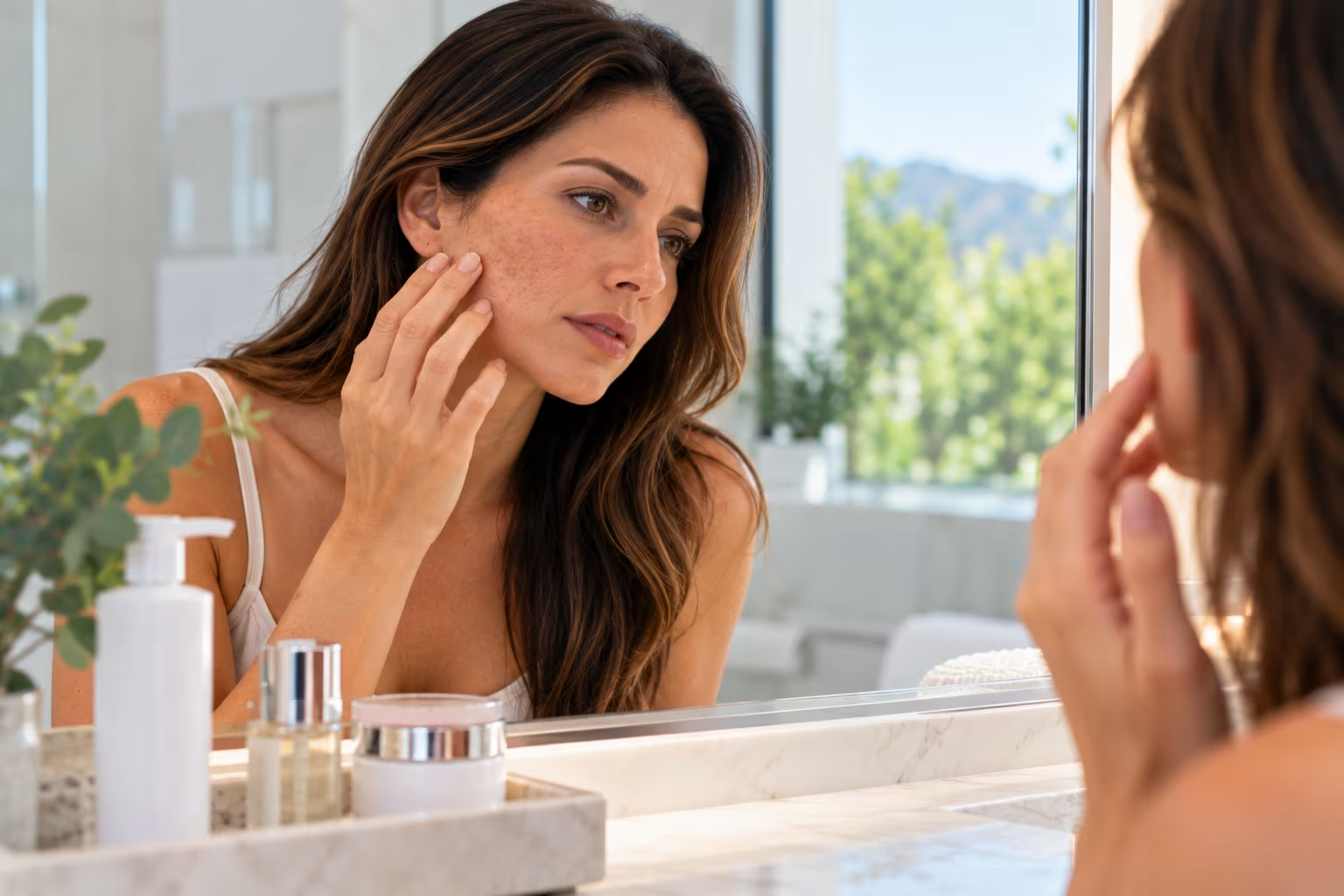
A breakout leaves the skin months ago, but the mark it left behind is still there. Or maybe an old injury healed a long time ago, yet the texture around it never quite matched the rest of your skin. Scarring is one of the more misunderstood skin concerns, partly because there is no single treatment that works the same way for every type of scar. Before looking into scar treatment, it helps to understand what is actually happening in the skin and which approaches genuinely support improvement.
Why Do Some Marks Turn Into Lasting Scars?
Scarring happens when the skin's healing process produces new collagen that does not perfectly match the surrounding tissue in texture, thickness, or color. The deeper or more inflamed the original injury, the more likely it is to leave a lasting mark.
This is why cystic acne tends to scar more than surface level breakouts, and why a deep cut leaves a more visible mark than a shallow scrape. The body prioritizes closing the wound quickly over rebuilding it perfectly, which is a completely normal biological process, but it does explain why scars often look and feel different from the skin around them.
What Are the Different Types of Scars?
Not all scars behave the same way, and understanding the category yours falls into matters for setting realistic expectations. Atrophic scars are indented or pitted, commonly seen with acne, and form when there is a loss of tissue during healing. Hypertrophic and keloid scars are raised, forming when the body produces too much collagen during repair. Post inflammatory marks, which are often confused with scars, are actually discoloration rather than textural change, and tend to fade with time and consistent skin care.
Most people dealing with acne related concerns are managing a combination of atrophic texture and post inflammatory discoloration at the same time, which is part of why the concern can feel so persistent.
Can Scars Fully Disappear?
Scars can improve significantly in appearance, but complete disappearance is not typically a realistic expectation for established, deeper scarring. The goal of most treatment approaches is meaningful improvement in texture, tone, and overall visibility rather than making a scar vanish entirely.
Setting this expectation early tends to lead to more satisfaction with results, since patients who understand the goal is gradual improvement are far less likely to feel disappointed by a process that naturally takes time.
What Approaches Support Improvement in Skin Texture?
Improving the appearance of scarring generally comes down to encouraging the skin to produce healthier, more organized collagen, which is the same underlying mechanism behind many general skin resurfacing treatments. At Re-Glo, our Toskani MED mesoneedling treatment is built around this exact principle, using controlled micro channels to stimulate the skin's natural collagen response.
Our article on how Toskani MED mesoneedling works for collagen stimulation explains the process in more depth, including how a series of sessions is typically used to support gradual improvement in texture over time. For patients whose scarring is closely tied to ongoing breakouts, addressing the underlying acne is just as important as treating the marks it leaves behind, which is where our acne treatment options resource is a useful starting point.
How Many Sessions Does It Typically Take to See Results?
Collagen remodeling is a gradual process, so most patients see incremental improvement across a series of sessions rather than one dramatic change. Skin generally continues to improve for weeks after each individual session as new collagen forms beneath the surface, which means the full effect of a treatment plan often becomes clearer several months into a series.
Consistency matters more than intensity here. Spacing sessions appropriately gives the skin time to fully respond between treatments, which tends to produce a more stable, lasting improvement than trying to rush the process.
Does Active Acne Need to Be Under Control First?
Yes, addressing active breakouts is generally the right first step before focusing heavily on existing scars. Treating new marks while acne is still actively forming new ones tends to be far less effective, since the skin keeps generating fresh inflammation faster than a texture focused treatment plan can keep up with.
A thoughtful treatment plan usually addresses both at once, calming active breakouts while gradually working on the texture left behind from past ones.
What Should You Expect During a Consultation?
A scar and texture consultation typically starts with a close look at your specific pattern of scarring, since atrophic, hypertrophic, and discoloration based marks all respond differently to treatment. From there, a realistic timeline and treatment plan can be built around your skin's specific needs and how it has responded to past treatments or products.
This is also a good time to discuss your daily skincare routine and sun protection habits, since both play a meaningful supporting role in how well the skin responds to any texture focused treatment.
Who Is a Good Candidate for Texture Focused Treatment?
Most people dealing with acne scarring, textural irregularities, or lingering marks from past skin injuries are reasonable candidates for an evaluation. Results and timelines vary quite a bit depending on scar depth, skin type, and how long the scarring has been present, which is exactly why an individualized plan matters more than a generic approach.
Frequently Asked Questions
Is scar treatment the same as treating dark marks left from acne? Not exactly. True scarring involves a change in skin texture, while dark marks are usually discoloration that tends to fade on its own or with pigmentation focused care.
How long after a scar forms should I wait before treating it? Many practitioners prefer to wait a few months after an injury or breakout heals, since some marks continue to fade naturally before more active intervention is needed.
Does mesoneedling hurt? Most patients describe the sensation as mild discomfort rather than significant pain, and numbing options are typically available to keep the experience comfortable.
Can texture treatments help with large pores as well as scarring? Yes, treatments that stimulate collagen production often improve overall skin texture, which can include the appearance of enlarged pores alongside scarring.
Will one session be enough to see a difference? Most patients need a series of sessions spaced several weeks apart to see meaningful improvement, since collagen remodeling happens gradually over time.
Ready to Give Your Skin Something Better to Work With?
Scarring and uneven texture do not have to be permanent features of your skin. With a realistic timeline and the right supportive treatment plan, meaningful improvement is absolutely achievable for most people.
Learn more about Toskani MED mesoneedling or contact our Los Gatos team to talk through what your skin's specific pattern of scarring might respond best to. This article was updated in September 2026 to reflect current treatment options available at Re-Glo.